TPO vs EPDM: Which Commercial Roofing System is Better?
Choosing between TPO vs EPDM commercial roofing systems? Elite Waterproofing and Roofing helps NYC and Long Island property owners understand which flat roof system delivers the best performance, value, and longevity for their buildings.
Call for Expert Guidance: (516) 774-4477
TPO vs EPDM Commercial Roofing: The Essential Comparison
TPO (Thermoplastic Polyolefin) and EPDM (Ethylene Propylene Diene Monomer) dominate the commercial flat roofing market for good reason – both deliver proven performance at reasonable cost. But which system works best for your NYC or Long Island commercial property?
Elite Waterproofing and Roofing has installed hundreds of TPO and EPDM commercial roofing systems throughout New York and understands exactly how each performs in our climate. This comprehensive comparison explains the real differences between TPO vs EPDM so you can make an informed decision for your building.
The choice between TPO vs EPDM commercial roofing affects your property for decades. Understanding cost differences, energy efficiency, lifespan expectations, and maintenance requirements helps you select the system that matches your building’s needs and budget.
What is TPO Roofing?
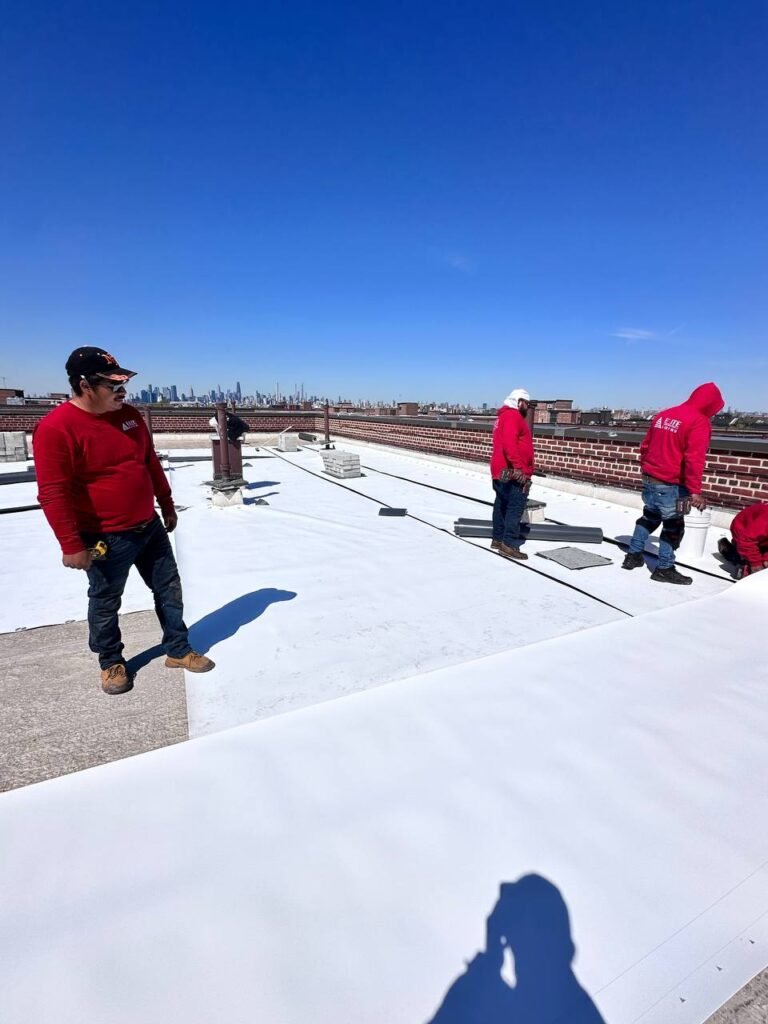
TPO roofing consists of a single-ply white thermoplastic membrane made from polypropylene and ethylene-propylene rubber. Introduced in the 1990s, TPO has become America’s fastest-growing commercial roofing system due to its energy efficiency and cost-effectiveness.
How TPO Roofing Works
TPO membranes are heat-welded at the seams using hot air welding equipment. This creates molecular bonds that are actually stronger than the membrane itself – eliminating the weak points common in glued or taped seam systems.
TPO System Components:
- White reflective membrane (typically 45-80 mil thickness)
- Insulation board (optional but recommended for energy efficiency)
- Cover board for enhanced durability (optional)
- Heat-welded seams creating watertight bonds
- Mechanically attached, fully adhered, or ballasted installation methods
What is EPDM Roofing?
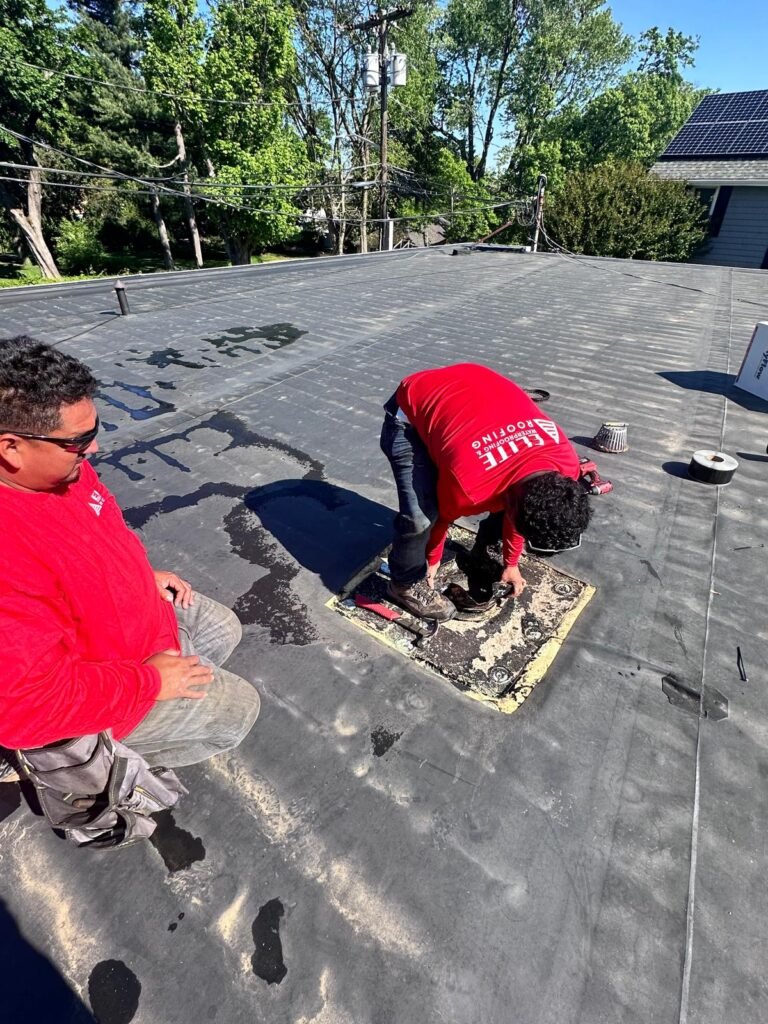
EPDM roofing is a single-ply synthetic rubber membrane, typically black, that has protected commercial buildings since the 1960s. With over 50 years of proven performance, EPDM remains one of the most trusted flat roofing systems in the industry.
How EPDM Roofing Works
EPDM membranes are joined using adhesive tapes or liquid adhesives. The rubber composition provides excellent flexibility, especially in cold weather, making EPDM particularly well-suited for northeastern climates like New York.
EPDM System Components:
- Black rubber membrane (typically 45-60 mil thickness, white EPDM available)
- Insulation board (optional)
- Seam tape or liquid adhesive for joining membrane sections
- Mechanically attached, fully adhered, or ballasted installation options
- Simple patch repair compatibility
TPO vs EPDM: Head-to-Head Comparison
Installation Cost Comparison
TPO Installation Cost: $8-$15 per square foot installed
EPDM Installation Cost: $6-$13 per square foot installed
EPDM typically costs 10-15% less to install than TPO. For a 10,000 sq ft commercial roof:
- TPO: $80,000-$150,000
- EPDM: $60,000-$130,000
Lower EPDM installation cost comes from simpler installation procedures and less expensive materials. However, long-term value considerations may offset initial savings.
Energy Efficiency: TPO vs EPDM
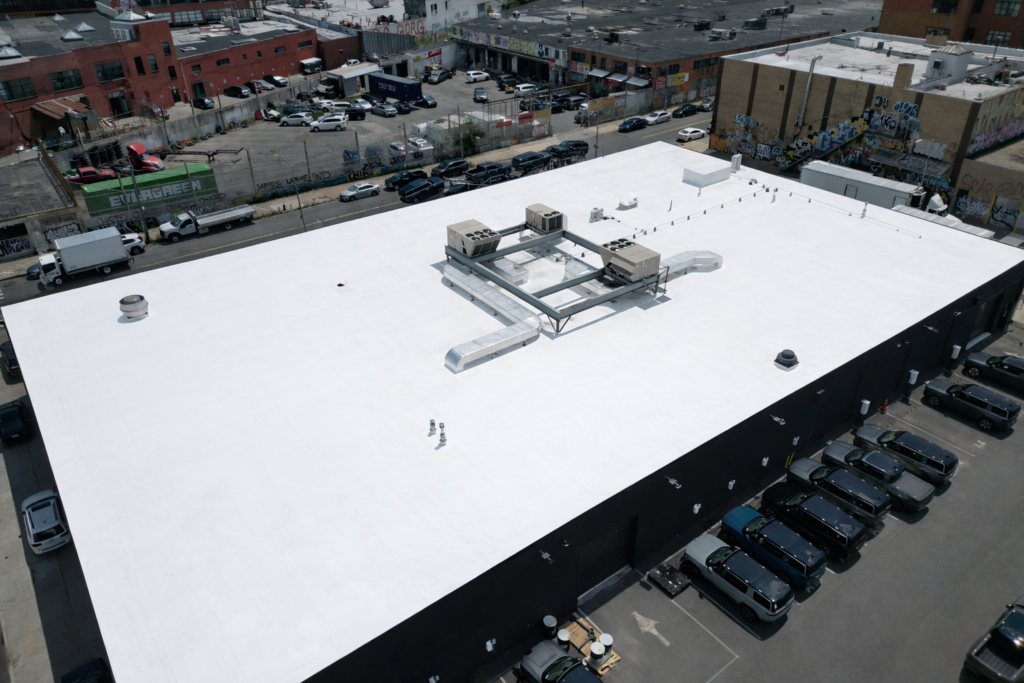
TPO Advantage: TPO’s white surface reflects 87% of UV radiation, significantly reducing cooling costs. For NYC and Long Island commercial buildings with air conditioning, TPO typically reduces summer cooling costs by 15-25%.
EPDM Performance: Black EPDM absorbs heat rather than reflecting it. This increases cooling costs in summer but may reduce heating costs slightly in winter. White EPDM is available but costs more and loses TPO’s main advantage.
Energy Savings Example:
A 15,000 sq ft Long Island warehouse switching from EPDM to TPO saved approximately $3,200 annually in cooling costs. Over a 25-year roof life, that’s $80,000 in energy savings – more than offsetting TPO’s higher initial cost.
TPO roofing often qualifies for energy efficiency rebates through NYSERDA programs in New York, providing additional upfront savings.
Lifespan: How Long Do TPO and EPDM Roofs Last?
TPO Lifespan: 20-30 years with proper maintenance
EPDM Lifespan: 20-30 years with proper maintenance
Both systems deliver similar lifespans when properly installed and maintained. EPDM has a longer track record (60+ years in service vs 30 years for TPO), but modern TPO formulations have addressed early generation issues.
Key factors affecting lifespan for both systems:
- Installation quality (proper seam welding for TPO, proper sealing for EPDM)
- Membrane thickness (thicker = longer life)
- Regular maintenance (bi-annual inspections, drain cleaning)
- Climate exposure (UV, temperature extremes)
- Foot traffic and equipment loads
Seam Performance: TPO vs EPDM
TPO Wins: Heat-welded TPO seams create permanent molecular bonds stronger than the membrane. Properly welded TPO seams virtually never fail.
EPDM Challenge: EPDM seams rely on adhesive tapes or liquid adhesives. Over time, adhesive can degrade from UV exposure, temperature cycling, and age. Seam failure is EPDM’s most common problem area.
For NYC and Long Island commercial properties experiencing temperature extremes from summer heat to winter cold, TPO’s superior seam performance provides significant long-term reliability advantages.
Cold Weather Performance
EPDM Advantage: Rubber EPDM remains flexible in extreme cold. During New York winters, EPDM performs reliably even at sub-zero temperatures.
TPO Performance: TPO can become slightly less flexible in extreme cold but still performs well in northeastern climates. Modern TPO formulations have improved cold-weather flexibility significantly.
Both systems handle New York winters effectively. EPDM has a slight edge in extreme cold conditions.
Repair Complexity: TPO vs EPDM
EPDM Simpler: EPDM repairs are straightforward – patches bond directly to existing membrane using adhesive. Most property owners or maintenance staff can handle minor EPDM repairs.
TPO Requires Skill: TPO repairs require heat welding equipment and proper technique. Professional roofing contractors should handle TPO repairs to ensure proper seam integrity.
However, TPO requires fewer repairs overall due to superior seam performance, potentially offsetting repair complexity advantages of EPDM.
Chemical Resistance
TPO Advantage: TPO resists animal fats, oils, and many chemicals better than EPDM. Important for restaurants, food processing facilities, and buildings with rooftop kitchen exhaust.
EPDM Limitation: EPDM can degrade when exposed to oils, greases, and certain chemicals. Not ideal for food service applications or industrial facilities with chemical exposure.
Fire Resistance
Both TPO and EPDM achieve Class A fire ratings when installed with proper underlayment. No significant difference in fire performance for commercial applications.
Environmental Considerations
TPO: Fully recyclable at end of life. Energy efficiency reduces carbon footprint during use.
EPDM: Recyclable. Longer track record means proven sustainability over decades.
Both systems represent environmentally responsible roofing choices compared to older built-up roofing technologies.
When to Choose TPO Roofing
TPO makes the best choice for NYC and Long Island commercial properties when:
- Energy efficiency matters: Climate-controlled warehouses, retail spaces, office buildings with high cooling costs
- Long-term ROI is priority: Energy savings over 20-30 years justify higher initial cost
- Chemical exposure exists: Restaurants, food processing, industrial facilities with rooftop equipment
- Seam reliability is critical: Large roof areas where seam failure would cause extensive damage
- Premium appearance desired: White reflective surface looks cleaner and more professional
- NYSERDA rebates available: Energy efficiency incentives reduce upfront cost
Ideal TPO Applications:
- Climate-controlled warehouses and distribution centers
- Retail buildings and shopping centers
- Office buildings and commercial complexes
- Medical facilities and healthcare buildings
- Restaurants and food service facilities
- Any building prioritizing energy cost reduction
When to Choose EPDM Roofing
EPDM makes the best choice for NYC and Long Island commercial properties when:
- Upfront cost is primary concern: Budget-conscious projects prioritizing initial investment
- Cooling costs are minimal: Unconditioned warehouses, storage facilities, seasonal buildings
- Simple repairs matter: Properties with maintenance staff preferring DIY repair capability
- Proven longevity desired: Conservative property owners valuing 60+ year track record
- Winter heat absorption beneficial: Buildings where absorbed heat reduces heating costs
- Extreme cold conditions: Properties experiencing severe winter temperatures
Ideal EPDM Applications:
- Unconditioned warehouses and storage facilities
- Industrial buildings without climate control
- Properties with tight initial budgets
- Buildings with minimal cooling requirements
- Facilities prioritizing repair simplicity
- Cold storage facilities (black EPDM absorbs beneficial heat)
TPO vs EPDM: Cost Analysis Over 25 Years
Example: 10,000 sq ft Long Island commercial building
TPO Total Cost of Ownership:
- Initial installation: $120,000 (average)
- Maintenance (25 years): $8,000
- Cooling cost savings: -$60,000 (compared to EPDM)
- NYSERDA rebate: -$5,000
- Net 25-year cost: $63,000
EPDM Total Cost of Ownership:
- Initial installation: $95,000 (average)
- Maintenance (25 years): $10,000 (more seam repairs)
- Higher cooling costs: +$60,000 (compared to TPO)
- Net 25-year cost: $165,000
For climate-controlled NYC and Long Island commercial buildings, TPO typically delivers $75,000-$100,000 better value over roof lifespan despite higher initial cost.
For unconditioned buildings without air conditioning, EPDM’s lower initial cost provides better overall value.
Installation Considerations: TPO vs EPDM
Installation Timeline
Both systems install in similar timeframes. A typical 10,000 sq ft commercial roof takes 5-7 days for either TPO or EPDM installation.
Weather Requirements
TPO: Requires dry conditions for heat welding. Rain delays TPO installation.
EPDM: More tolerant of moisture during installation. Can proceed in light rain conditions.
Installer Expertise
TPO: Requires skilled installers with proper heat welding training and equipment.
EPDM: Simpler installation procedures. More contractors qualified to install EPDM.
Choose GAF Master Elite or Carlisle certified contractors for either system to ensure proper installation quality.
Maintenance Requirements: TPO vs EPDM
Both systems require similar maintenance schedules:
- Bi-annual inspections: Spring and fall roof checks
- Quarterly drain cleaning: Prevent water pooling and drainage issues
- Annual flashing checks: Verify penetrations and parapet connections
- Debris removal: Keep roof surface clean
- Post-storm inspections: Check for damage after severe weather
TPO Maintenance Focus: Inspect seams (though rarely fail), check membrane for punctures, verify proper drainage.
EPDM Maintenance Focus: Pay special attention to seams for adhesive degradation, check for shrinkage, monitor for punctures.
Well-maintained TPO or EPDM roofs easily reach 25-30 year lifespans. Neglected roofs of either type fail prematurely.
NYC and Long Island Climate Considerations
New York’s climate presents specific challenges for commercial roofing:
- Hot summers: TPO’s reflectivity reduces heat gain and cooling costs
- Cold winters: Both systems handle NYC winters; EPDM slightly better in extreme cold
- Temperature cycling: Both TPO and EPDM handle seasonal temperature swings well
- Coastal exposure: Long Island properties face salt air – both systems resist corrosion
- Snow loads: Both systems support typical NYC snow accumulation
- Urban pollutants: TPO resists chemical pollutants better than EPDM
For most NYC and Long Island commercial applications, climate factors favor TPO’s energy efficiency benefits while both systems provide adequate weather protection.
Warranty Coverage: TPO vs EPDM
TPO Warranties:
- Material warranties: 15-30 years from manufacturers
- Installation warranties: 5-10 years from qualified contractors
- Extended warranties available with certified installers
EPDM Warranties:
- Material warranties: 15-25 years from manufacturers
- Installation warranties: 5-10 years from qualified contractors
- Proven claims history over 60+ years
Both systems offer solid warranty coverage. Maintain regular inspections and proper maintenance to keep warranties valid.
Need Expert Guidance on TPO vs EPDM for Your Property?
Elite Waterproofing and Roofing provides free consultations and roof assessments
(516) 774-4477
Email: info@eliteroofingny.com
Common Questions: TPO vs EPDM Commercial Roofing
Which is better: TPO or EPDM commercial roofing?
TPO is better for climate-controlled NYC and Long Island commercial buildings due to energy efficiency providing $3,000-$5,000 annual cooling cost savings. EPDM is better for unconditioned warehouses or properties prioritizing lower upfront cost. Neither is universally “better” – the right choice depends on your building’s specific needs, climate control requirements, and budget priorities.
Does TPO last longer than EPDM?
Both TPO and EPDM roofs last 20-30 years with proper maintenance. TPO’s heat-welded seams may provide better long-term reliability than EPDM’s adhesive seams. EPDM has a longer proven track record (60+ years) but modern TPO formulations match EPDM’s lifespan expectations. Installation quality and maintenance affect longevity more than material choice.
Is TPO more expensive than EPDM?
Yes. TPO installation costs $8-$15 per square foot vs $6-$13 per square foot for EPDM – approximately 10-15% more expensive upfront. However, for climate-controlled buildings, TPO’s energy savings typically recover the higher initial cost within 5-7 years and provide substantial additional savings over 25-30 year roof life.
Can I install TPO over existing EPDM?
Sometimes. If existing EPDM is structurally sound with minimal deterioration, TPO can be installed over it with proper cover board and preparation. This saves tear-off costs. However, most NYC building codes limit roof layers, and stacking systems may void warranties. Elite Waterproofing and Roofing assesses existing conditions to determine if overlay installation is feasible.
Which roofing system is better for New York climate?
Both TPO and EPDM perform well in New York’s climate. TPO offers advantages for hot summer cooling cost reduction. EPDM provides slightly better extreme cold flexibility. For most NYC and Long Island commercial properties, TPO’s energy efficiency outweighs EPDM’s cold-weather edge. Properties without air conditioning don’t benefit from TPO’s reflectivity and should choose EPDM for lower cost.
How much does a 10,000 sq ft commercial TPO roof cost?
A 10,000 sq ft TPO commercial roof costs $80,000-$150,000 installed in the NYC/Long Island area. Variables affecting cost include membrane thickness (45-80 mil), insulation requirements, building access, existing roof removal needs, and flashing complexity. 60 mil TPO with R-20 insulation typically costs $10-$12 per square foot.
How much does a 10,000 sq ft commercial EPDM roof cost?
A 10,000 sq ft EPDM commercial roof costs $60,000-$130,000 installed in the NYC/Long Island area. EPDM typically runs 10-15% less than comparable TPO installations. Thicker 60 mil EPDM with insulation costs $8-$10 per square foot. Budget-conscious projects often choose EPDM for lower initial investment.
Which system requires less maintenance: TPO or EPDM?
TPO requires slightly less maintenance because heat-welded seams rarely fail. EPDM seams need more attention as adhesive can degrade over time. Both systems need bi-annual inspections, drain cleaning, and general upkeep. Maintenance costs over 25 years average $300-$400 annually for either system on a typical commercial building.
Can EPDM be white like TPO?
Yes. White EPDM is available but costs 15-20% more than black EPDM and still costs more than white TPO. White EPDM provides energy efficiency similar to TPO but loses EPDM’s primary advantage of lower cost. Most property owners choosing white reflective roofing select TPO for better value. Black EPDM remains the most cost-effective single-ply option.
Do insurance companies prefer TPO or EPDM?
Most insurance companies accept both TPO and EPDM equally for commercial properties. Neither system affects insurance rates differently. Insurance companies care more about proper installation, regular maintenance documentation, and roof age than specific membrane type. Maintain inspection records and service documentation regardless of system choice.
Which is better for flat roofs: TPO or EPDM?
Both TPO and EPDM excel on flat commercial roofs. TPO is better for flat roofs on climate-controlled buildings due to energy savings. EPDM is better for flat roofs on unconditioned buildings due to lower cost. Both systems handle flat roof challenges like water pooling, thermal expansion, and UV exposure effectively when properly installed with adequate slope for drainage.
Can I repair TPO roof myself?
No. TPO repairs require professional heat welding equipment and proper technique. DIY TPO repairs typically fail because improperly welded seams leak. EPDM repairs are more DIY-friendly using adhesive patches. However, for commercial properties, professional repairs for either system ensure proper execution, maintain warranties, and provide documentation for insurance and property records.
How energy efficient is TPO compared to EPDM?
TPO roofing is significantly more energy efficient than black EPDM for cooling. White TPO reflects 87% of UV radiation vs black EPDM absorbing heat. For a 15,000 sq ft climate-controlled NYC warehouse, TPO typically saves $3,000-$5,000 annually in cooling costs compared to EPDM – $75,000-$125,000 over 25-year roof life. Unconditioned buildings see minimal energy difference.
What thickness TPO or EPDM should I choose?
For commercial applications, choose 60 mil TPO or EPDM as minimum. 60 mil provides good durability, puncture resistance, and warranty coverage. 80 mil TPO offers enhanced durability for roofs with equipment traffic or severe exposure. Thicker membranes cost 10-15% more but last longer and resist damage better. Most NYC commercial properties install 60 mil as optimal balance of cost and performance.
Are TPO and EPDM eco-friendly roofing options?
Yes. Both TPO and EPDM are environmentally responsible commercial roofing choices. TPO is fully recyclable and reduces building energy consumption. EPDM is recyclable and has proven 60-year durability reducing replacement frequency. Both systems represent significant environmental improvements over older built-up roofing technologies. TPO’s energy efficiency provides additional environmental benefits through reduced cooling energy consumption.
Elite Waterproofing and Roofing: Your TPO and EPDM Experts
Elite Waterproofing and Roofing has installed hundreds of TPO and EPDM commercial roofing systems throughout NYC, Long Island, Nassau County, Suffolk County, and Westchester County. Our NRCA-trained installers deliver quality workmanship backed by comprehensive warranties.
Why Choose Elite Waterproofing and Roofing:
- Licensed commercial roofing contractor
- A+ BBB rating
- Certified GAF and Carlisle installer
- Full general liability insurance
- Transparent pricing with detailed estimates
- 25+ years combined roofing experience
- Free roof inspections and consultations
Service Areas: NYC (all 5 boroughs), Nassau County, Suffolk County, Westchester County, Fairfield County CT
Schedule Your Free TPO vs EPDM Consultation
Not sure whether TPO or EPDM is right for your commercial property? Elite Waterproofing and Roofing provides free consultations explaining which system matches your building type, budget, and priorities.
Phone: (516) 774-4477
Email: info@eliteroofingny.com
Website: www.eliteroofingny.com
We’ll inspect your current roof, evaluate your building’s requirements, and provide honest recommendations with detailed cost comparisons for both TPO and EPDM options.
© 2024 Elite Waterproofing and Roofing. Licensed Commercial Roofing Contractor serving NYC, Long Island, and surrounding areas.
Phone: (516) 774-4477 | Email: info@eliteroofingny.com