
A flat roof needs more than a strong surface. It needs dependable waterproofing, professional installation, careful detailing, and a roofing system designed to handle changing weather conditions. For property owners searching for TPO flat roofing installation in Glen Cove, NY, choosing the right roofing system can make a major difference in long-term protection, maintenance, and overall property value.
TPO, or thermoplastic polyolefin, is a single-ply roofing membrane commonly used for low-slope and flat roofing applications. Moreover, it is valued for its flexibility, reflective surface, and resistance to many common roofing challenges. However, the quality of the finished roof depends not only on the membrane itself but also on proper preparation, installation, seams, flashing, drainage, and professional workmanship.
At Elite Roofing & Waterproofing, the goal is to provide practical roofing solutions that are built around the specific needs of each property. Because every building is different, the right approach should begin with an evaluation of the roof rather than a one-size-fits-all recommendation.
Why TPO Roofing Is a Smart Choice for Flat Roofs
Flat and low-slope roofs have different requirements from traditional steep-slope roofing systems. Water drainage, seams, penetrations, flashing, and surface preparation all require careful attention.
Therefore, TPO can be an attractive option for many commercial and suitable residential flat-roof applications.
One of its major advantages is its single-ply design. Instead of using multiple layers of traditional roofing materials, TPO creates a continuous membrane across the roof surface. Furthermore, properly heat-welded seams can create strong connections between membrane sections.
TPO roofing can also provide a clean, modern appearance. Additionally, its reflective characteristics can be beneficial for managing solar heat on appropriate buildings.
Most importantly, the system must be installed correctly. Even a premium roofing membrane can underperform when seams, edges, penetrations, or drainage details are neglected.
What Makes Professional TPO Installation Important?
Installing a TPO membrane is not simply a matter of placing material over an existing roof. Instead, professional installation involves several important stages.
First, the roof needs to be inspected and prepared. Next, the appropriate membrane and installation method need to be selected. After that, the membrane must be installed carefully around drains, vents, edges, curbs, and other roof penetrations.
Furthermore, seams require precise attention. A roofing system is only as strong as its weakest detail, so careless workmanship can create opportunities for water intrusion.
Consequently, choosing an experienced roofing contractor can help property owners avoid preventable installation problems.
Elite Roofing & Waterproofing provides roofing solutions for both residential and commercial properties. You can explore its residential roofing services to learn more about available roofing options for homes.
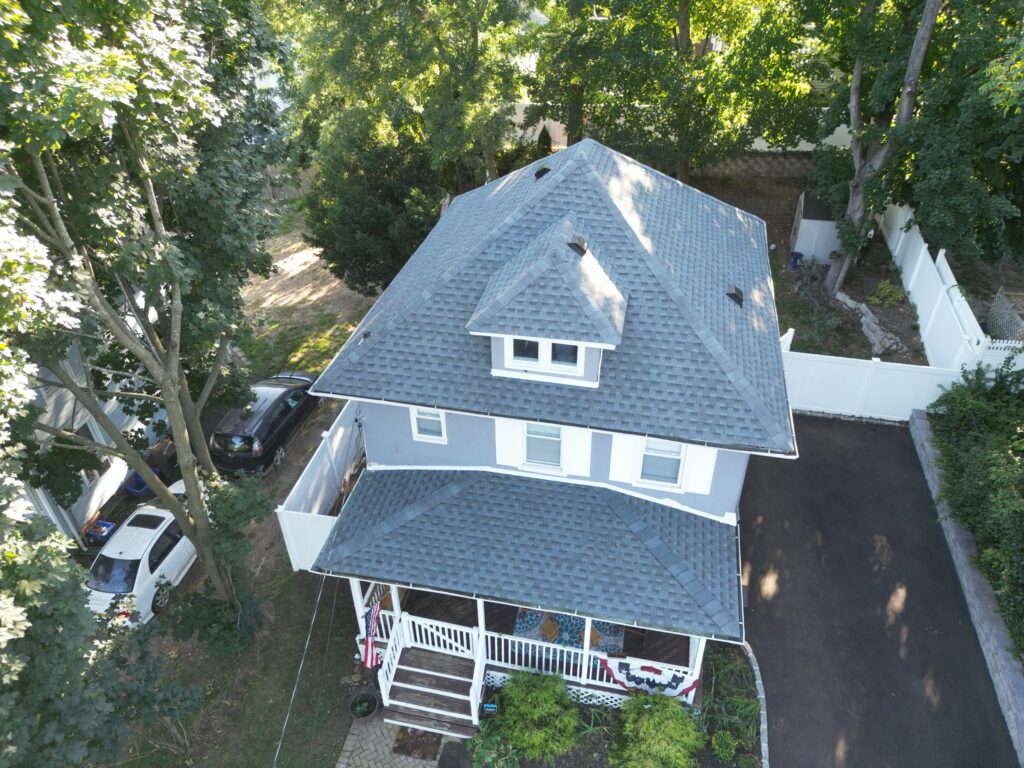
TPO Flat Roofing for Glen Cove Properties
Glen Cove properties experience changing weather throughout the year. Therefore, a flat roofing system needs to be prepared for temperature changes, precipitation, wind, and seasonal moisture.
TPO can be a practical option when the roof design and building requirements are appropriate. Its flexibility can help accommodate normal movement caused by temperature changes, while its membrane design provides a continuous protective layer.
However, no roofing material should be considered a universal solution. The existing roof condition, insulation requirements, drainage design, building use, and budget should all be considered before installation.
For that reason, a professional evaluation is an important first step.
Important Benefits of TPO Flat Roofing
When professionally selected and installed, TPO roofing can offer several useful benefits.
| TPO Roofing Feature | Potential Benefit |
| Single-ply membrane | Streamlined roofing system |
| Heat-welded seams | Strong membrane connections |
| Reflective surface | May help manage solar heat |
| Flexible material | Can accommodate normal movement |
| Flat-roof compatibility | Suitable for many low-slope applications |
| Lightweight design | Can reduce unnecessary roof weight |
| Clean appearance | Creates a modern finished look |
| Repairable system | Damaged areas may often be addressed without full replacement |
However, performance depends on installation quality, roof design, material selection, and ongoing maintenance. Therefore, property owners should consider the complete roofing system rather than focusing on one feature.
How TPO Roofing Helps With Water Protection
Water is one of the biggest concerns for any flat roof.
Because flat roofs have limited slope, proper drainage is particularly important. Standing water can place additional stress on roofing materials and may contribute to premature deterioration when drainage problems are not addressed.
Consequently, TPO installation should include careful attention to roof drains, scuppers, flashing, seams, edges, and penetrations.
Moreover, the waterproofing details around rooftop equipment and other openings are extremely important. A membrane may perform well across a large open area, but poorly detailed penetrations can still create leak risks.
That is why professional installation and inspection matter.
TPO Roofing and Energy Efficiency
Energy performance is another reason some property owners consider TPO roofing.
Many TPO membranes are designed with reflective surfaces that can help reflect a portion of solar radiation. As a result, the roof surface may absorb less heat than some darker roofing materials.
However, actual energy performance depends on several factors, including insulation, building design, HVAC efficiency, roof orientation, local weather, and membrane selection.
Therefore, TPO should be viewed as one component of a broader building-performance strategy.
Frequently Asked Questions About TPO Flat Roofing
What is TPO flat roofing?
TPO stands for thermoplastic polyolefin. It is a single-ply roofing membrane commonly used on flat and low-slope roofs. The membrane is installed across the roof and seams can be heat-welded to create strong connections.
Is TPO good for flat roofs?
TPO can be an effective option for many flat and low-slope roofing applications. However, the best material depends on the building, roof structure, drainage, insulation, existing roof condition, and project goals.
How long can a TPO roof last?
The service life of a TPO roofing system depends on material quality, installation, weather exposure, maintenance, drainage, and other site-specific conditions. Regular professional inspections can help identify problems before they become more serious.
Can TPO roofing be repaired?
Yes. Certain TPO membrane problems can be repaired depending on their location and severity. However, extensive deterioration or widespread damage may make replacement a more practical option.
Is TPO waterproof?
TPO is designed as a waterproofing membrane, but the overall performance depends on proper installation. Seams, flashing, penetrations, edges, and drainage details all need to be properly addressed.
Is TPO suitable for commercial buildings?
Yes. TPO is widely used in commercial and low-slope roofing applications. Elite Roofing & Waterproofing offers commercial roofing solutions that include TPO, EPDM, PVC, modified bitumen, and other systems. You can learn more at:
Does every flat roof need TPO?
No. Every building has different requirements. Depending on the roof structure and project goals, another roofing system may be more suitable. A professional roof assessment can help determine the right option.
Can TPO roofing be installed over an existing roof?
In some situations, an overlay may be possible, but it depends on the condition and construction of the existing roof. A professional inspection should determine whether the existing roof is suitable for an overlay or whether removal is necessary.
Why Roof Preparation Matters Before TPO Installation
A successful TPO roofing project begins before the membrane reaches the roof.
First, the existing surface needs to be evaluated. Damaged areas, moisture problems, structural concerns, and drainage issues should be identified.
Next, the roof needs appropriate preparation. Depending on the project, this may involve removing old materials, repairing damaged areas, improving insulation, or preparing the substrate.
Furthermore, roof penetrations and perimeter details need to be planned carefully.
Therefore, proper preparation can have a major impact on the final result.
When Roof Repair May Be Better Than Replacement
Not every flat roof requires complete replacement.
For example, if the existing roofing system has localized damage and remains structurally sound, targeted repair may be a practical solution.
Leaks, damaged membrane sections, flashing problems, and certain surface issues can sometimes be repaired without replacing the entire roof.
Therefore, homeowners and property managers should consider a professional inspection before automatically choosing replacement.
Elite Roofing & Waterproofing provides professional roof repair services for residential and commercial properties, including flat-roof repair solutions.
When Full Roof Replacement Makes More Sense
On the other hand, replacement may be the better choice when a roof has reached the end of its useful service life or has widespread deterioration.
Repeated repairs can become expensive when problems continue appearing in different areas. Moreover, an aging roof may have underlying moisture or structural issues that cannot be solved through isolated repairs.
In those situations, a new roofing system can provide a more dependable long-term solution.
You can explore professional roof replacement services to understand the replacement options available for your property.
The Connection Between Roofing and Waterproofing
A strong roofing system and effective waterproofing should work together.
Even when a roof membrane is installed correctly, water can still create problems around penetrations, walls, joints, foundations, balconies, and other vulnerable areas.
Therefore, waterproofing should not be treated as an afterthought.
Professional waterproofing can help protect vulnerable parts of a property from moisture intrusion and water-related deterioration.
For more information about professional waterproofing solutions, property owners can review the services offered by Elite Roofing & Waterproofing.
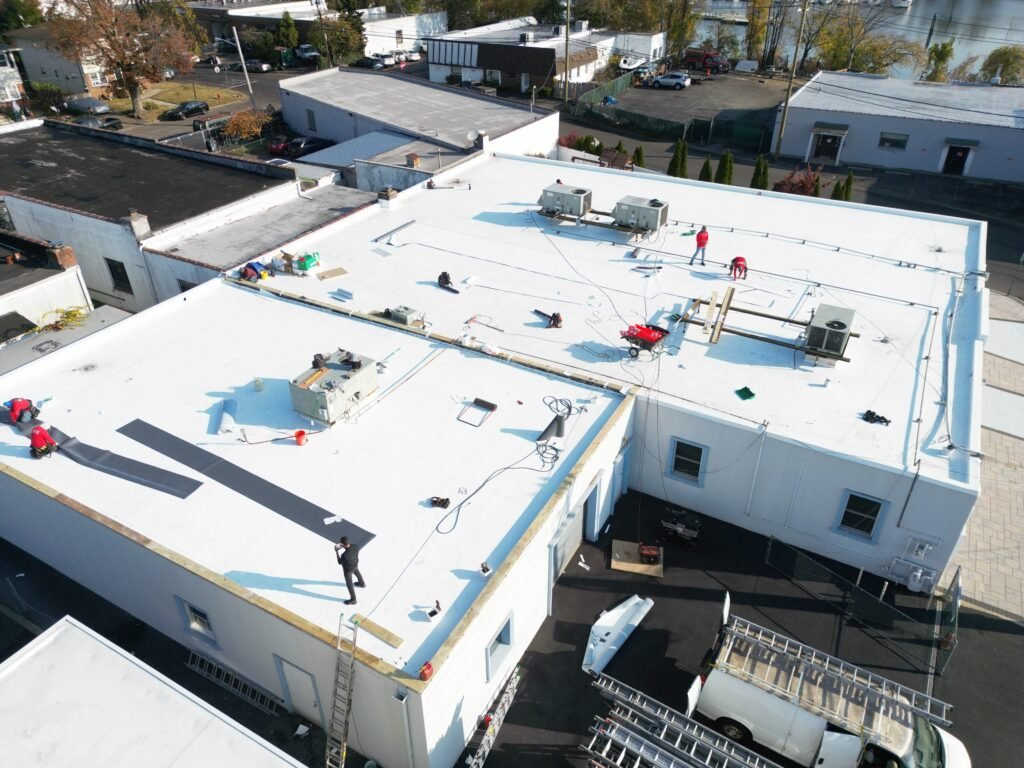
Protecting More Than the Roof
A roof is part of a larger building envelope.
Therefore, roofing problems can sometimes be connected to exterior walls, masonry, flashing, drainage, or other building components.
For properties with broader exterior concerns, building restoration may be necessary alongside roofing work.
Elite Roofing & Waterproofing also provides exterior building restoration services designed to address exterior property needs.
This broader approach can be particularly valuable when moisture has affected more than one part of the building.
How Maintenance Can Extend Roof Performance
Even a newly installed TPO roof should not be ignored after installation.
Regular inspections can help identify small concerns before they develop into major problems. For example, damaged flashing, blocked drainage points, loose components, or membrane damage may be easier to address when discovered early.
Additionally, keeping roof drains and drainage paths clear can help reduce standing-water concerns.
Therefore, a simple maintenance strategy can contribute to better long-term roof performance.
Property owners should also pay attention after severe weather. Strong winds, heavy rain, and other extreme conditions can expose vulnerabilities that were not previously obvious.
Why Drainage Is Critical for Flat Roofing
Drainage is one of the most important considerations for flat roofing.
Although the roof is described as “flat,” most flat roofs are designed with subtle slopes that direct water toward drains or other drainage points.
If drainage becomes blocked or improperly designed, water may remain on the roof for extended periods.
Consequently, proper drainage planning should be part of any TPO installation project.
A professional roofing contractor can evaluate existing drainage and determine whether improvements are necessary before or during installation.
Choosing the Right TPO Roofing Contractor
Choosing a roofing contractor is just as important as choosing the roofing material.
First, look for experience with low-slope and flat roofing systems. Next, ask about installation methods, materials, warranties, drainage, flashing, and maintenance.
Furthermore, a trustworthy contractor should explain the project clearly rather than pushing a single solution without evaluating the property.
At Elite Roofing & Waterproofing, roofing solutions are designed around the needs of individual residential and commercial properties. The company’s website notes experience with multiple roofing systems, including single-ply options such as TPO, EPDM, and PVC.
Why Professional Workmanship Creates Better Long-Term Value
A roof is a major investment. Therefore, installation quality should never be treated as a minor detail.
A properly installed TPO roof can provide dependable protection, while poor workmanship can create avoidable problems around seams, flashing, drains, edges, and penetrations.
Consequently, choosing a qualified roofing professional can help protect the investment you are making in your property.
Moreover, professional installation can make future maintenance easier because the roofing system has been installed with proper detailing from the beginning.
A Practical TPO Roofing Installation Process
Although every project is different, a professional TPO installation generally involves several important stages.
First, the roof is inspected and evaluated. Next, the existing surface is prepared according to project requirements.
Then, insulation or other appropriate roofing components may be installed. After that, the TPO membrane is positioned and secured using the selected installation method.
Seams are then properly welded, while edges, penetrations, drains, curbs, and flashing receive careful attention.
Finally, the completed roof should be inspected to identify any areas that need correction before the project is considered complete.
This systematic approach helps create a roofing system that is built for performance rather than simply appearance.
TPO Roofing for Residential Properties
Although TPO is strongly associated with commercial and low-slope roofing, certain residential properties can also benefit from single-ply roofing systems.
For example, homes with low-slope additions, extensions, garages, porches, or other suitable roof sections may require a roofing material designed for those conditions.
Elite Roofing & Waterproofing offers residential roofing solutions that include flat-roof options and single-ply systems.
Therefore, homeowners should discuss the structure of their specific roof with a professional before choosing a material.
TPO Roofing for Commercial Properties
Commercial buildings often have larger low-slope roof areas, making material selection and installation quality especially important.
A commercial roof needs to support building operations while protecting equipment, inventory, employees, and interior spaces.
Furthermore, commercial roofing problems can quickly become disruptive when leaks affect business areas.
Elite Roofing & Waterproofing’s commercial roofing services include TPO and other single-ply roofing systems, along with inspection, maintenance, repair, and installation solutions.
Consequently, a professionally installed TPO system can be a valuable option for suitable commercial properties.
Signs Your Flat Roof May Need Attention
Property owners should never ignore early warning signs.
Watch for:
- Water stains on ceilings.
- Persistent leaks.
- Ponding water.
- Damaged membrane areas.
- Cracked or deteriorated flashing.
- Blocked drains.
- Loose roofing materials.
- Unusual moisture inside the building.
- Repeated roof repairs.
- Visible signs of aging.
Furthermore, some roofing problems are not immediately visible from inside the property. That is why professional inspections remain valuable even when there are no obvious leaks.

How Elite Roofing & Waterproofing Can Help
A strong roofing project requires more than materials. It requires planning, careful installation, attention to detail, and an understanding of the building itself.
Elite Roofing & Waterproofing provides residential and commercial roofing services, along with roof repair, replacement, waterproofing, and exterior restoration solutions.
Therefore, property owners can approach roofing concerns from a broader perspective instead of treating every problem as an isolated issue.
Whether you are considering a new TPO system, dealing with an existing flat-roof problem, or planning a complete roof replacement, professional guidance can help you choose the right direction.
Contact Elite Roofing & Waterproofing
If you are planning TPO flat roofing installation in Glen Cove, NY, the next step is to understand your property’s specific roofing requirements.
A professional evaluation can help determine the condition of your current roof, identify drainage concerns, discuss suitable roofing materials, and establish a practical installation or replacement plan.
For roofing consultations, estimates, repairs, replacement projects, waterproofing, or other property protection needs, you can contact Elite Roofing & Waterproofing directly.
Taking action early can help prevent small roofing concerns from becoming expensive problems.
Final Thoughts
Choosing TPO flat roofing installation in Glen Cove, NY can be a smart investment when the system is properly designed, professionally installed, and maintained over time.
TPO offers several attractive qualities for suitable flat and low-slope roofing applications, including a single-ply design, flexible performance, reflective characteristics, and heat-welded seams.
However, the material alone does not guarantee a successful roof. Instead, preparation, drainage, flashing, seams, penetrations, insulation, installation methods, and ongoing maintenance all contribute to the final performance.
Therefore, property owners should focus on the complete roofing system rather than simply comparing material prices.
Whether you need a new TPO installation, professional roof repair, complete replacement, waterproofing, or exterior restoration, choosing an experienced roofing professional can help protect your property for the long term.
With the right planning and dependable workmanship, your flat roof can become a powerful line of defense against the elements while also supporting the comfort, value, and longevity of your Glen Cove property.